
Short Stories in Gurbet Romani
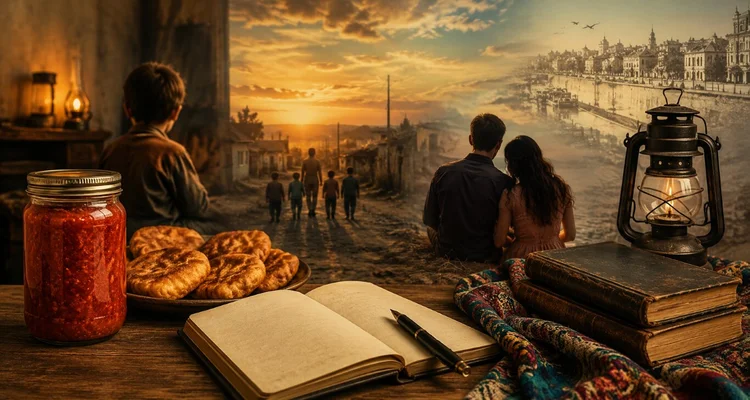
This collection presents a selection of short, authentic, and moving stories written in the Gurbet Romani language.
Drawing from life experiences, personal memories, and real events, the author writes about family, love, poverty, faith, and hope.
The author of these stories is Goran Saitović, a translator on the Gurbet translation team, whose work contributes to preserving and developing the Gurbet Romani language.
Through these heartfelt stories, readers are given a glimpse into the life and culture of the Roma, leaving a lasting impression on everyone who reads them.
We invite you to explore these stories and discover the richness of the language, the experiences they reflect, and the values they carry.

Goran Saitović
A Jar of Ajvar
When I was seven years old, I was hungry.
I was the third child, but two more children were born after me into our family. There were seven of us in total, and only my father worked at the factory. Poverty, as you know, is not easy to talk about.
In 1974, my father saved some money and decided to build a new house. Without seeking advice from others about the construction, he soon ran out of money.
Then the worries began at home. I was troubled too, and as a child, I could think of nothing else. One day I woke up from my sleep, rubbed my eyes, and asked my sister what there was to eat.
She told me there was nothing, and that my mother had gone to sell something so she could bring home something for us to eat.
My younger sister was four years old. She began to cry and said that she was very hungry and that her stomach hurt from hunger. I began to cry too, feeling sorry for her. I looked into my older sister’s eyes and saw such sadness that I can still remember her face today.
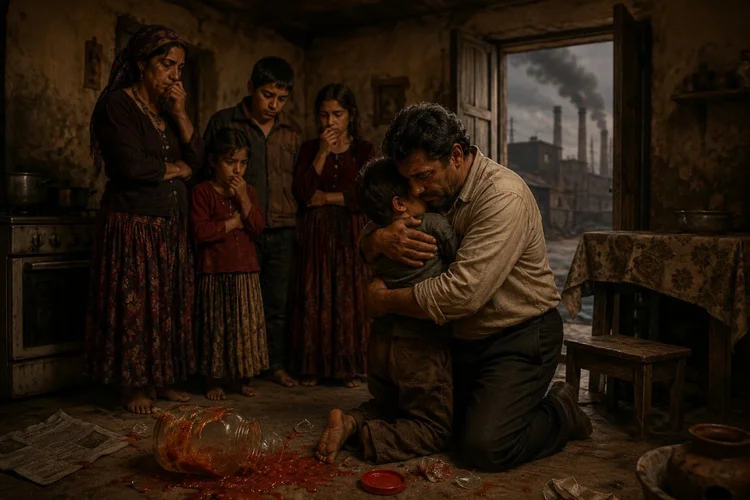
She remained there for a moment, then got up and went outside. Five minutes later, she came back with a jar containing two or three kilograms of ajvar and some bread wrapped in newspaper.
I did not understand where it had come from until I saw the ajvar spilling from the jar. She then began wiping the glass with her hand so that it looked as though the jar were full. That was when I realized she had done something she should not have done. She returned the jar and quickly began making mekike for us. The smell of those mekike has never been more pleasant to me than it was that day. When I ate one, I understood how difficult poverty can be.
Later, my father gathered all of us in the room and told us that what my sister had done was not right. He said that we would forgive her this time, and he promised that he would never again let us go hungry.
Samir and Fatima
I had a friend in the neighborhood. His name was Samir. He was one year older than me. He was the seventh child in his family and had six older sisters who loved him dearly. He was proud of his home and family.
His family was the poorest in the neighborhood.
When Samir was in the eighth grade, he was a handsome young man. All the girls noticed him and wanted to be close to him, but I noticed that he paid no attention to them.
One day I asked him why he did not pay attention to all the attention he received from the girls. He then told me that he loved Fatima. She was the girl he wanted to win over.
I knew who she was because she was my age and went to the same class as me. She was the most beautiful girl in the neighborhood. Her family was very wealthy, and she was their only daughter. They treated her like a princess, but they were very strict with her.
Fatima also loved Samir very much. One day he approached her and asked her to be his girlfriend, and she immediately agreed. They kept their relationship secret. We, their friends, knew that they were together, as did her close friend. They had to hide their love because they knew what her family was like.
But one day they found out. When her parents learned about their relationship, they went to Samir’s father and threatened him. They said that if they ever saw their son with their daughter, he would be beaten and could even be killed. They also threatened to make their daughter suffer.
Fatima was forbidden from going to school, while Samir’s father begged him to leave her alone. He told him that they were “not of the same class” and warned him not to let anyone from her family harm him.
After that, Samir became more and more withdrawn. He even began distancing himself from us, his friends. He became ill from grief, and his condition grew worse every day. In the end, the doctors said there was no hope for him.
When Fatima’s father heard about his condition, he allowed her to visit him so that they could at least spend some time together.
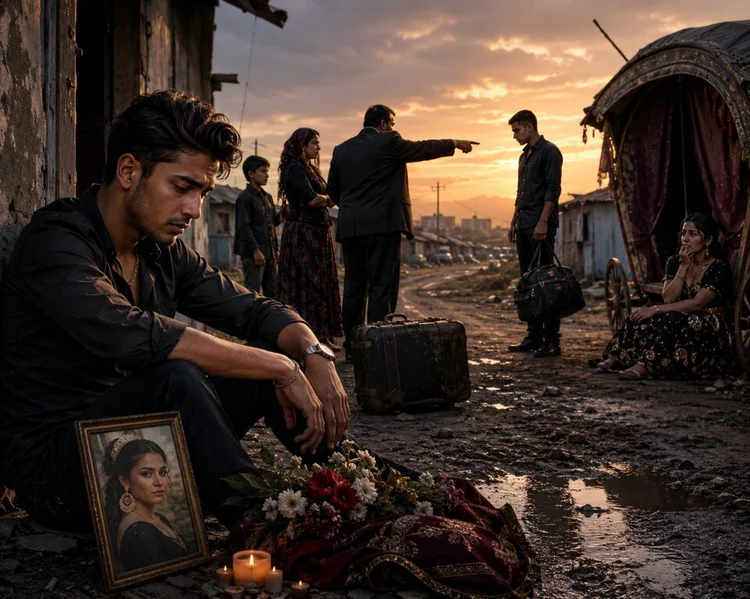
One day they were walking down the street, holding hands. Suddenly, a drunk driver came along and hit Fatima. She died at the scene.
A few days later, Samir died of grief.
They buried him beside Fatima.
Knowing that he was going to die, he left us, his friends, a few lines from a song that he had slightly changed:
“Light a candle for me while I am alive. When I die, bury me beside her. Come to my grave and remember me, and when you bring flowers, place them on her grave.”
